I have started seeds from different Physalis species(Physalis Virginiana, Physalis Pruinosa(ground cherries), Physalis Peruviana and giant tomatillos(physalis ixocarpa)). Physalis Virginiana is a rhizomatous perennial up to Zone 3/ 4 and I started the seeds earlier so I have relatively big plants already(under grow lights). Physalis Pruinosa was sown 2 weeks ago and just now they are starting to germinate. Tomatillos and peruviana were sown 2 days ago so they didn’t germinate yet.
I’ll try crossing every species with each other. Does anyone who has tried interspecific crosses between physalis know which crosses are more likely to be succesful? The goal of this project is to create a perennial with domesticated traits(Uniform germination, large fruits) by crossing virginiana with tomatillos. I also want to breed an annual with large fruits and the uniform/ fast germination of tomatillos and the taste of ground cherries by crossing the tomatillos with pruinosa.
You have chosen species that don’t cross with each other, besides maybe p.pruinosa x p.virginiana one way or other. Doubt the last also. Tomatillos don’t cross with what are normally considered ground cherries, but there are few species of physalis that are more closely related to tomatillos that can cross. P.peruviana is developed in isolation from other species and so it doesn’t cross with any of the common ground cherry species that I know of and not with tomatillos.
There are very little information about crossability of physalis, but there are some charts that might be quite reliable. You would need to select species that are a little more closely related to start with.
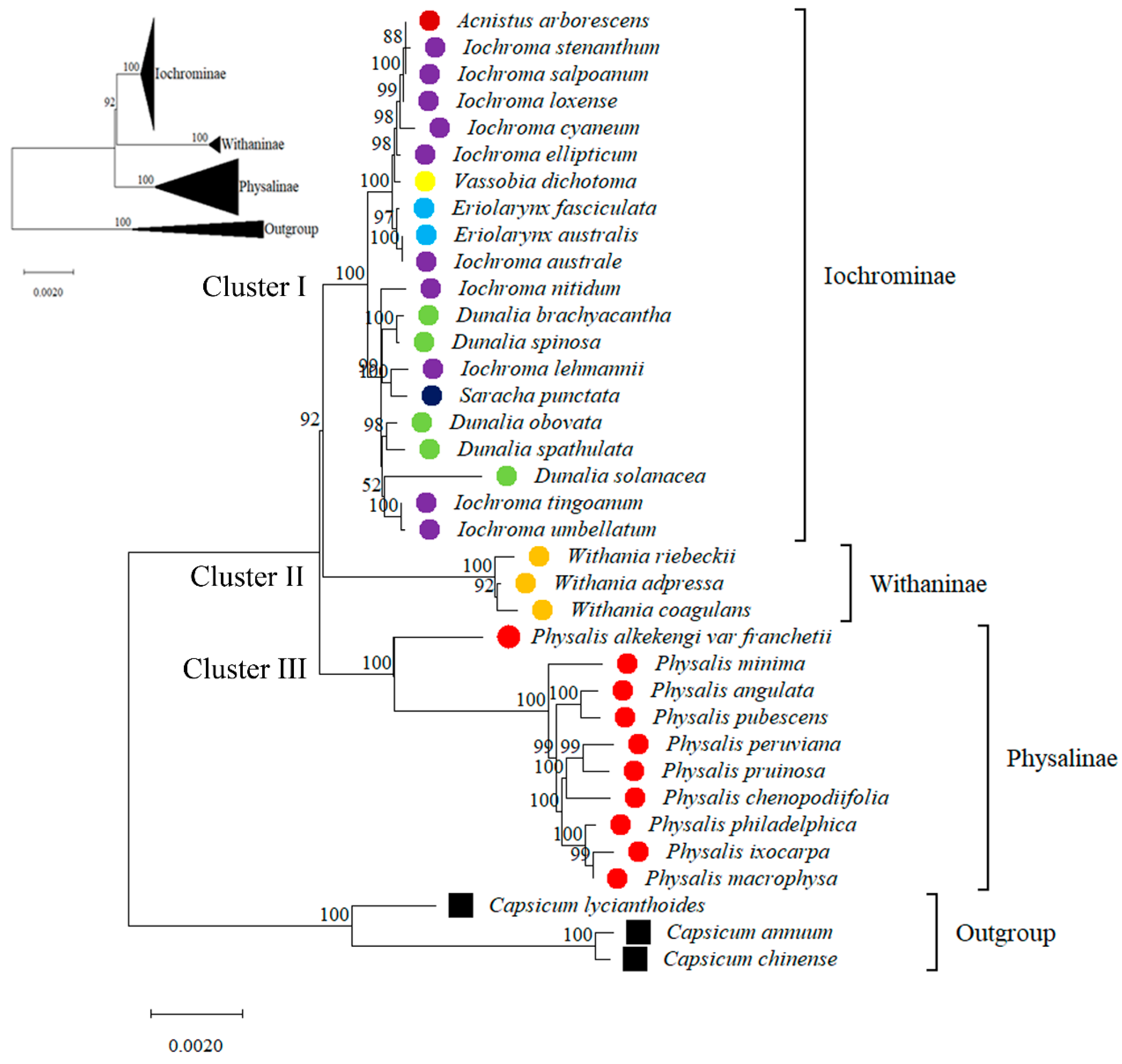
There was a study with the title “Reproductive Biology and Hybridization of Physalis L. Species“ that showed high succes rates for most interspecific hybrids. Although I don’t think they actually succeded in crossing most species because in the 2nd study where the hybrids were grown out the characteristics of the hybrids were not intermediate but very similar to one parent(so the seeds were probably a result of self pollination)
Also, it makes sense that physalis peruviana isn’t able to cross with other species because it is tetraploid. Which species do you have in mind that can cross with tomatillos?
Yes, that’s the problem if there hasn’t been follow up to show that they actually have crossed.
Haven’t paid attention to why exactly. Probably it’s tetreploid because of the isolation.
Can’t remember the names. There are too many physalis species and the latin names aren’t exactly catchy. One species was the probably progenitor of tomatillo so that should work. Others I’m not exactly sure, but I would think that the species that are morphologically similar are the ones where you should look first.
Personally I haven’t done more than between pruinosa/grisea/pubescens or possibly because it’s not allways clear which variety belongs to which species. Many are sold under different scientific names. It doesn’t really matter as there aren’t too many varieties of ground cherries so all I can find are good for crossing. I have tried angulata x pruinosa (or one of the other) and got 2 seeds, but those didn’t germinate. The other way didn’t have success. I might try a little more, but might be dead end. Also have thought about crossing angulata with tomatillo as angulata does resemble more tomatillo, but that might be just as unlikely.
I’ve got a “confectionary” tomatillo (as the description said) that tastes much like a ground cherry. I got the seed from the Seed Savers Exchange ADAPT trials a few years ago and grew out the last 8 seeds in isolation last year as a seed increase. It produces heavily early in the season and is less tolerant of triple digit temperatures than other tomatillos.
Would you like some to try crossing with other tomatillos for flavor and possibly cross for vigor.
I live in europe so it wouldn’t be worth it. Is there a specific variety that is notably sweet? Also heat tolerance isn’t important at all since I live in a cold climate where summers are very wet
A cross between physalis pruinosa and virgiania would also be very good if I succeed. Virginiana doesn’t have a main stem that branches like pruinosa, but lots of individual stems that come out of the base which means it grows a lot bushier and flowers much later. Combining the growth habit of pruinosa with the rhizomes of Virginiana would be amazing
Not allowed to import seeds to EU from outside of EU without phytosanitary certificate, but I might have already something that you discribed. One variety that I started with had small slightly pruple (I think purple/whitish when ripe) fruits that were sweet and had little different flavour. Not quite same as common ground cherries, but I suppose could be compared to angulata (it was already some years ago so can’t exactly compare). No such fruits in the next generation, even if I must have sowed those seeds as well. Had more bigger fruits with purple so it might be there. Only had one other purple variety to start with. Cross with angulata was just a thought “why not?”. I might add some more sweet varieties now that I found seller that had several of them, but otherwise just let them fend for themselves. They are already fairly easy to grow. Just sow a lot, selectsweetest and the fastest in the cool climate and repeat. It seems like it already has everything needed and I just need to weed out the noise.
I would suggest trying combinations for yourself, but using the published studies as guidelines to which species definitely have maternal incompatibility for wide crossing. Tomatillo for example, generally makes a terrible mother for wide crossing. On the other hand Peruviana shows some amount of openness to form F1 seed.
I am currently growing out (P. longifolia x tomatillo) x longifolia from Nature’s Pathfinders (based on Poland), and the seedlings are amazing, despite being only 1/4 tomatillo they have massive leaves and are already flowering. The F1s had the husk splitting trait from tomatillo, so probably some of the longifolia back crosses will too.
In my experience, there’s no substitute to learning about hybridization barriers yourself, with your particular genetics and conditions. Often if you’re doing selecting and have enough diversity, your results can be better than published studies. For example, I crossed sweet potato with I. pandurata at a really high success rate, and this cross is supposed to have strong crossing barriers.
I didn’t know such seeds were available. This is great! I’ll definitely buy a packet. How did you germinate them? Cold Stratification was required to germinate Physalis Virginiana for me(I left the pot outside in december and january). The site also says cold stratification or hormones are required for germination
Could you share images of the plants if possible? I’m curious
I was planning to cross sweet potatoes with ipomea pandurata aswell sometime in the future. If I remember correctly pandurata is a diploid and sweet potato is a hexaploid so the hybrid should be tetraploid. Have you already grown out the hybrid plants?
Here’s one of the 3/4 longifolia hybrids, the tomatillo is contributing to the stature, leaf size, fast flowering.
Yea I’m growing out a bunch of the sweet potato x pandurata seedlings (13?). You can see some details on my substack at selectionpressure.substack.com
You’re right about the ploidy level. The hybrid trait transmission of the Ipomoea crosses display lower complexity of trait transmission than sweet potato, consistent with a lower ploidy like 4N.